Making and Maturing

Disciples of Jesus

  • What I Love about GPBC

    “Be on guard for yourselves and for all the flock of which the Holy Spirit has appointed you as overseers, to shepherd the church of God, which he purchased with his own blood.”

    -Acts 20:28

    This month marks eleven years I’ve had the honor of serving the church at Green Pond Bible Chapel. As I reflect on these eleven years, I am filled with love for this particular expression of the body of Christ. I am thankful to be an overseer of these precious sheep, purchased by the blood of Jesus. What do I love about GPBC? Since you asked…

    I love that the saints at GPBC love God and his Word

    One of the main aspects of my role at GPBC is preaching and teaching. On Sundays we’ve gone through Mark, Galatians, Daniel, Acts, Judges, 1 Peter, 1 Kings, 1 Corinthians, Hosea, 2 Kings, Hebrews, John, and now Revelation. You’ve patiently endured as I have grown as a preacher, tolerating bad jokes and the occasional long sermon (not to mentioned all the quotes from my “friends”). Your love for God is seen in how you value his Word, and I have the privilege of experiencing that weekly.

    I love that the saints at GPBC minister to children and youth well

    It was clear from our first conversations with GPBC that this was a church committed to delivering the gospel to the next generation. Every church knows this is a huge challenge. You understand the importance of investing in children and youth by focusing on discipleship and not merely entertainment. You have sacrificially given of your time to attend/host youth events and serve in Kingdom Kids. I love that our families band together in equipping our kids to walk by faith. I love that I know youth in our church will be well-prepared to follow Jesus in the uncertain days to come by Pastor Josh and his team.

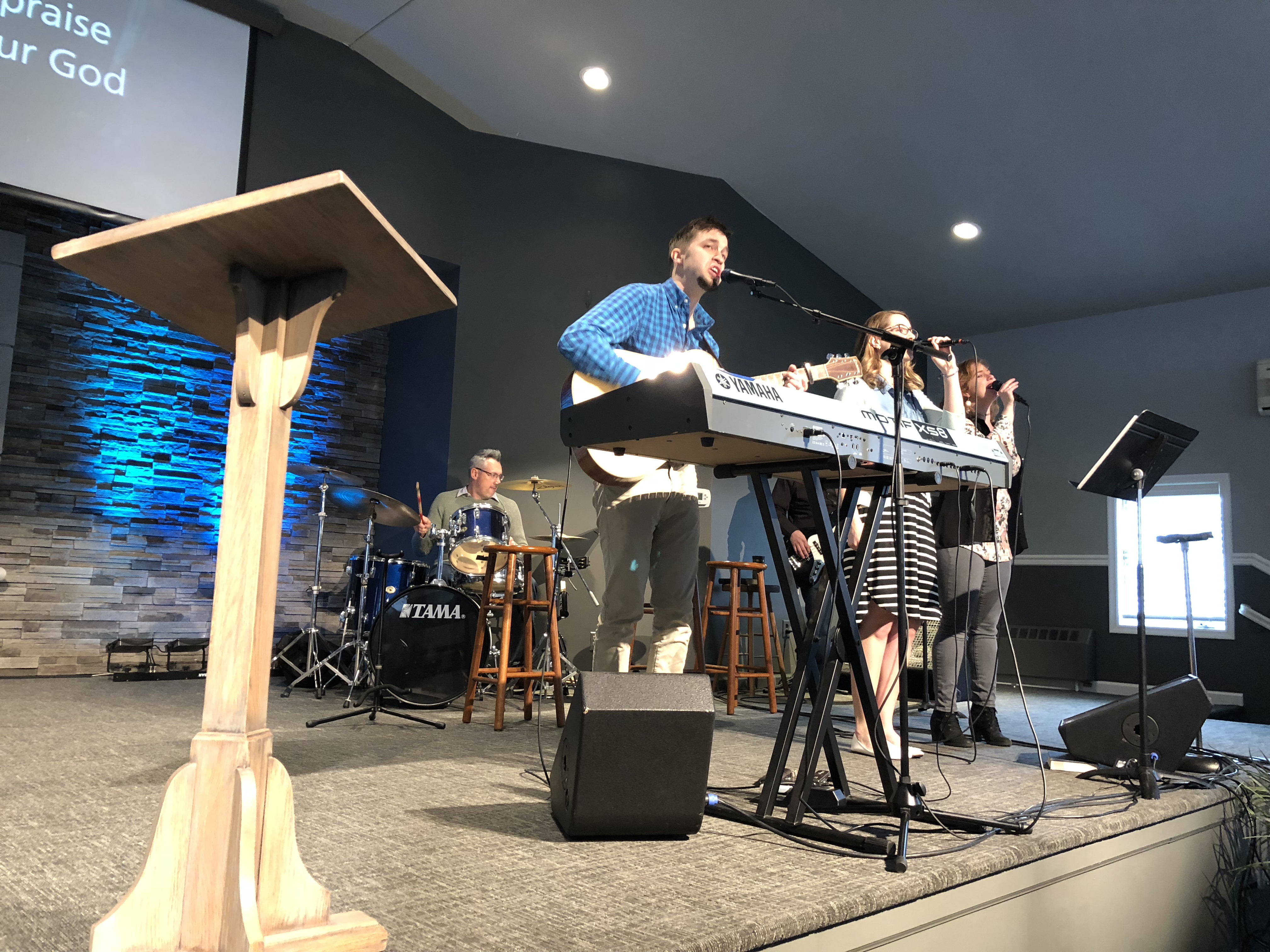
    I love that the saints at GPBC sing

    Pro-user tip: seats in the front of the sanctuary are the best because you get to hear the entire congregation singing. These past 11 years you have blessed me by your vocal testimony to the goodness of God. As Pastor Jesse curates songs for corporate worship, you have rejoiced together as worshippers of God. Our time singing together is one of the highlights of my week.
    I love that the saints at GPBC are passionate to see the gospel shared to the ends of the earth

    Our church highly values investing in our missionaries and I love it. I love that we aren’t content to just give financial support. I’ve enjoyed traveling overseas with folks from GPBC in different contexts and serving the Lord with you. Your passion for God’s Kingdom is bearing fruit, and we won’t know how great that harvest has been until the mission is complete.  
    I love that the saints serve and give sacrificially 

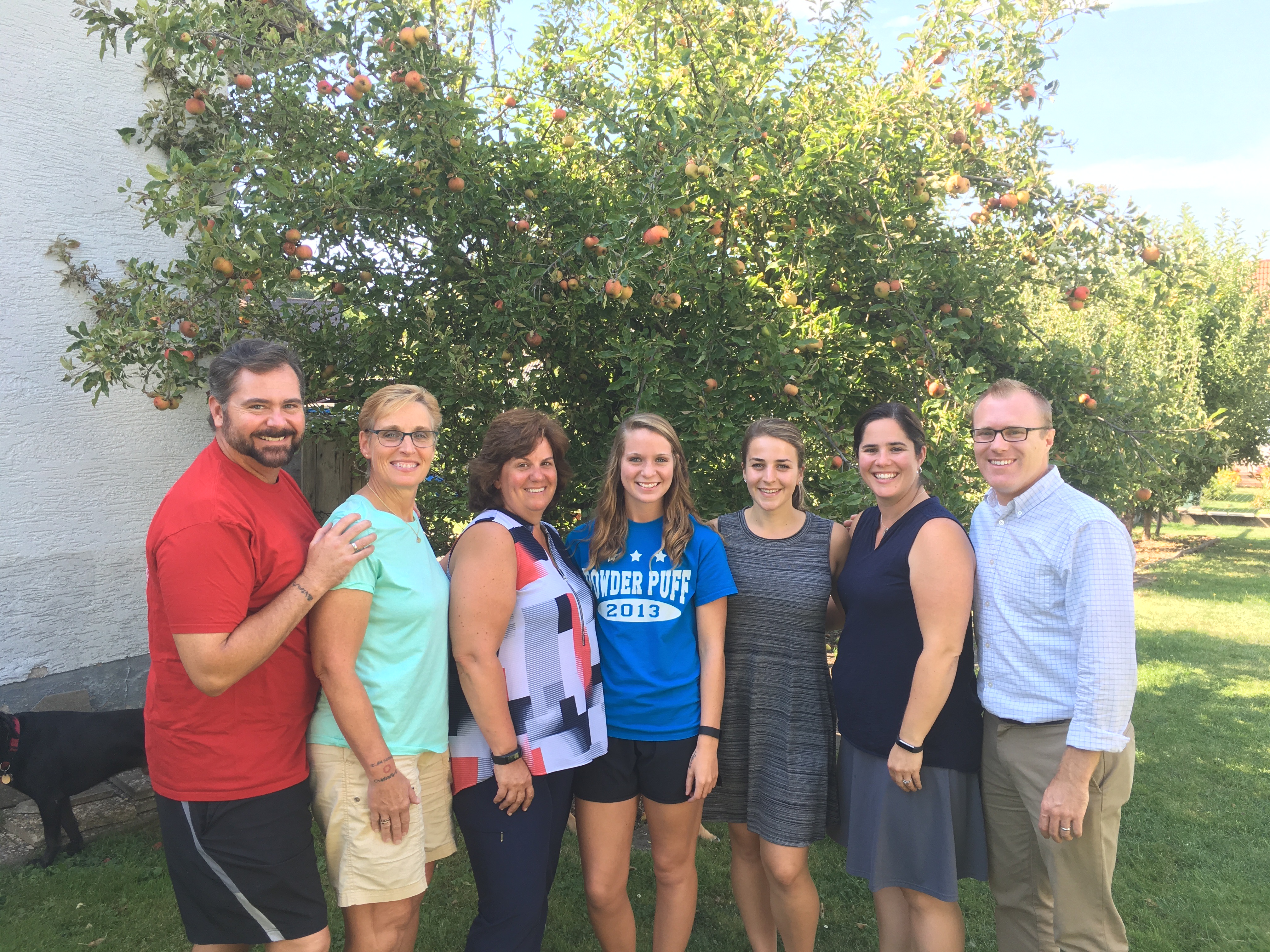
    Over the past eleven years I have been blown away by the level of service our volunteers and deacons provide. Countless hours of effort in tasks small and large reflect your love for Jesus. I have loved work days where young and old labor together to steward our church facilities. I have loved seeing our men serve at the Christmas Brunch each year. I love that I regularly hear of ways you are visiting and caring for those in need.


    I love the elders at GPBC

    Our elder team has been a blessing since the first day we arrived in New Jersey. I am honored to shepherd the flock of God at GPBC with these dear brothers. I love that we are united even when we have different gifting and perspectives. I love that our elders passionately pursue discipling our church. I love that they genuinely care for the sheep, and give of their time and energy to do so. I value their wisdom and am confident about our future as a church because of our solid leadership.
    I love the pastors at GPBC

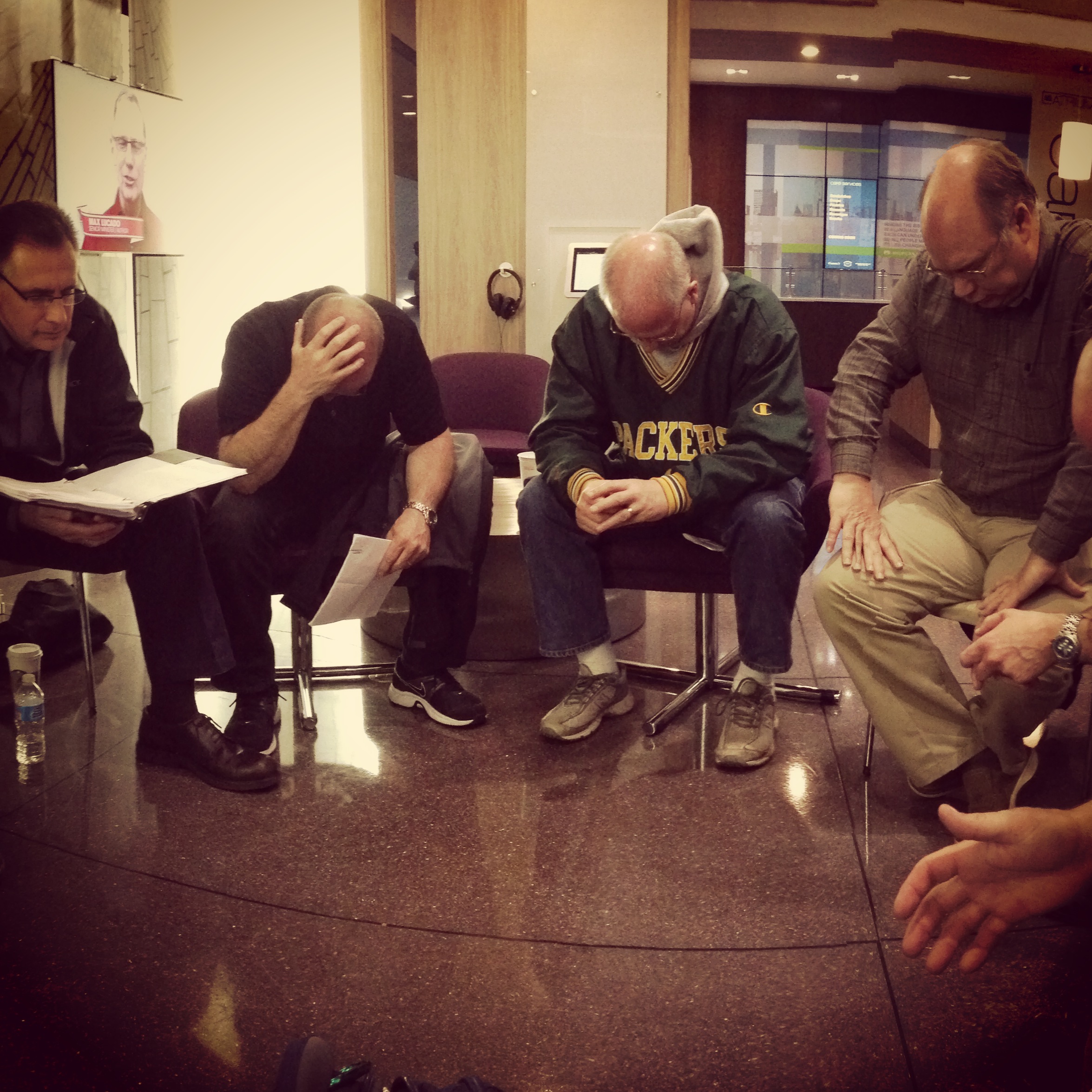
    God has brought a rag-tag group of vocational ministers to our church family. I cherished my time with Pastor Andy and miss him every week. Pastor TJ is a joy to work with and is continuing Andy’s legendary love of hamburgers. TJ keeps us on track in so many ways, and the result is greater effectiveness in all of our ministries. I’ve already mentioned pastors Josh and Jesse and their ministry, but I’m also blessed by their personal ministry to me.
    I love that the saints at GPBC care for our family

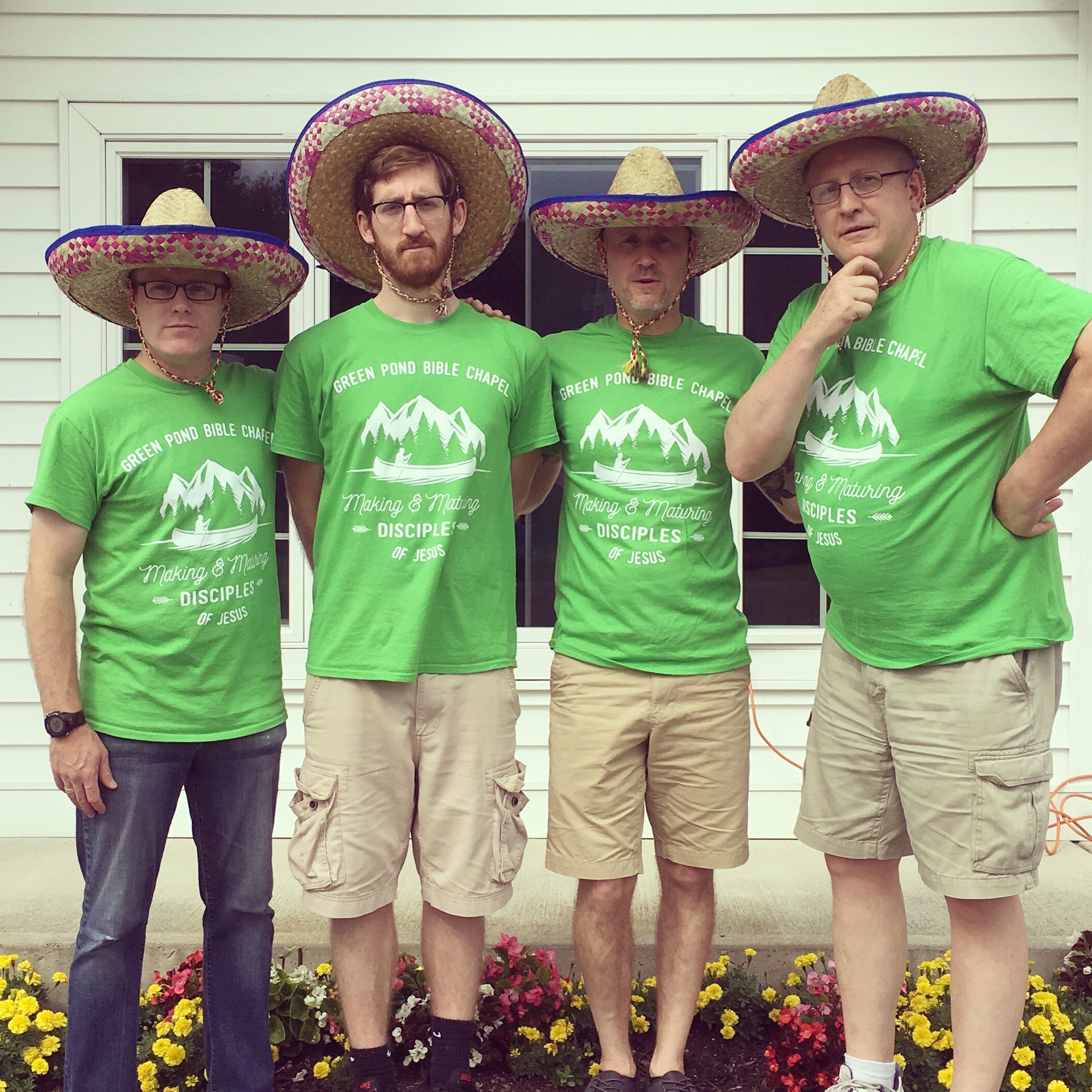
    When we arrived at GPBC we barely had three kids. Jack was four, Kate was two, and Sam was a solid five months. We’ve added Jane to the mix, and all them have kept growing despite our best efforts to slow them down. You have graciously loved our children with us, and have offered wisdom as we have needed it for new phases and challenges. You’ve generously provided a home for us in the parsonage. We’ve never had a need go unmet, and that’s a function of God’s grace expressed in your kindness. Thank you for loving us so well.

    I could go on. We all know that no church is perfect, and we’ve faced our challenges along the way. But as I reflect on these years together I am thankful to God for bringing us to GPBC, and I can’t wait to see what he’ll do in and through our church in the years to come. 

  • Reflections on the Last T4G

    I often imagine the brothers heading to the Council of Nicaea in AD 325–the first “global” conference. The leaders of churches across the Roman Empire had never gathered. Some had traveled and met each other, but most hadn’t. They had heard much of the work of God in other towns and on other continents, but they had never physically seen the evidence of the extent of God’s work. It must have been an immense encouragement for them to gather in Nicaea and behold representatives of God’s work across the world.

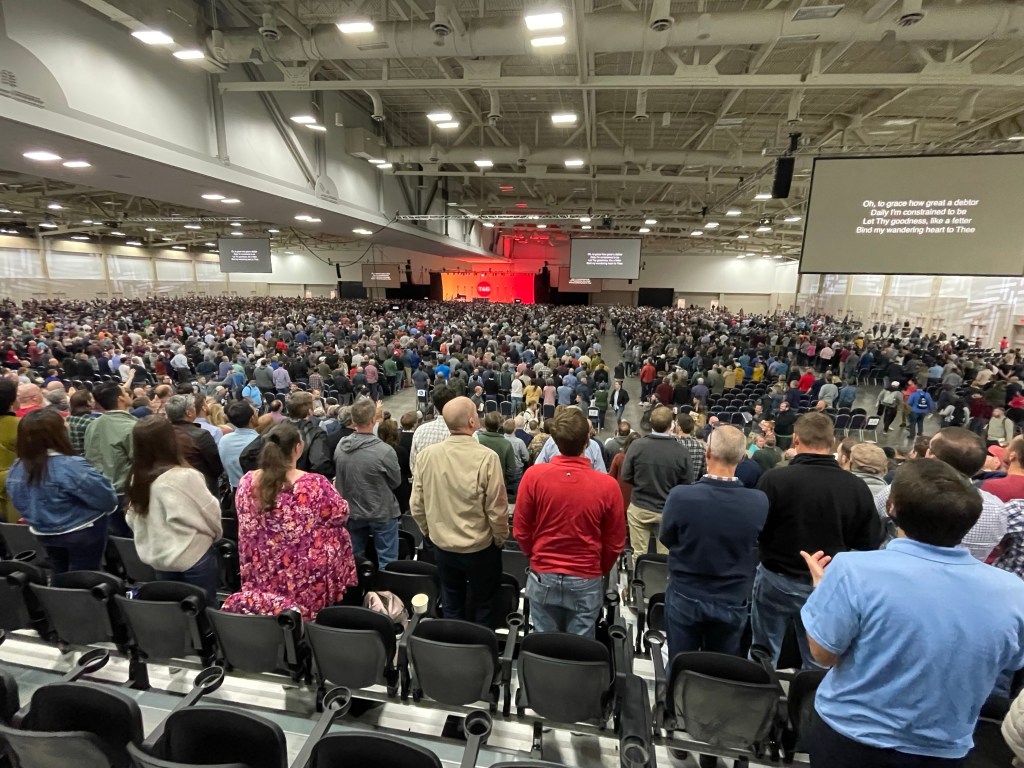
    For me, Together for the Gospel (T4G) is a little bit like that. I know God is at work across our nation and world, but to see it visibly manifested in a gathering of pastors/elders encourages me in ways that are difficult to express. Yes, the work of God advances with or without such gatherings, but T4G has been a blessing to me.

    My shameless nostalgia arises from the fact that this is the last T4G. I was blessed to attend the first T4G back in 2006, and I am sad to see it go. (Here’s Mark Dever and Ligon Duncan discussing why it will be no mas, but I think we’ll see a similar event emerge in the years to come). Here are some of my reflections from the last T4G.

    1. Fellowship with Faithful Brothers

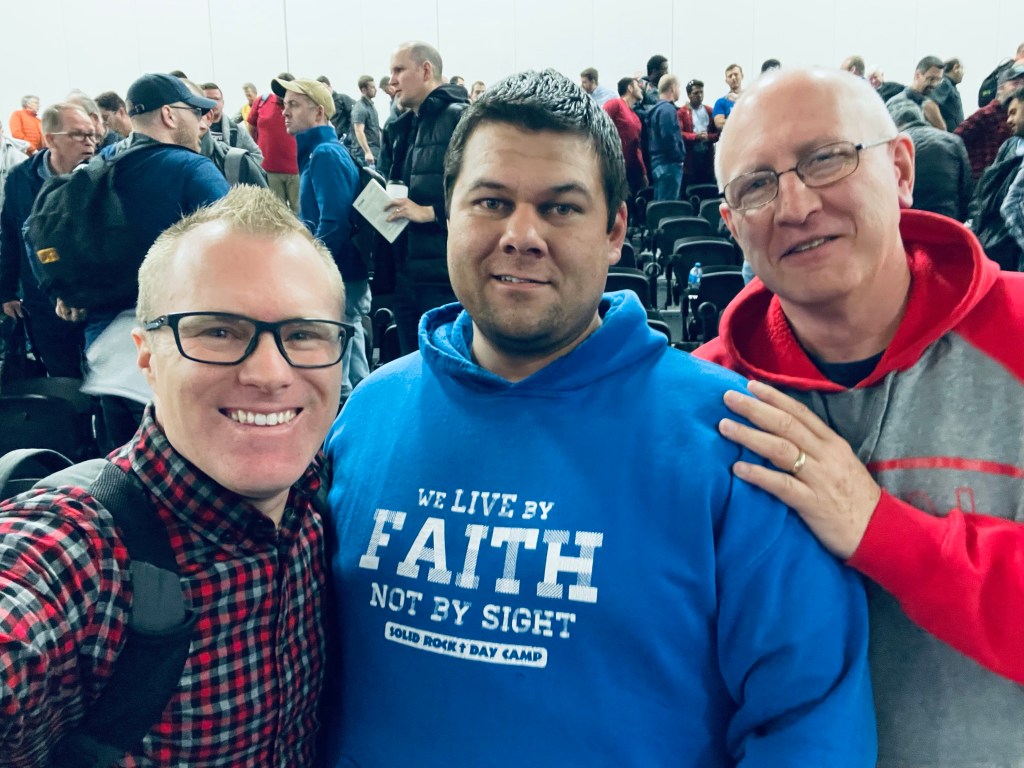
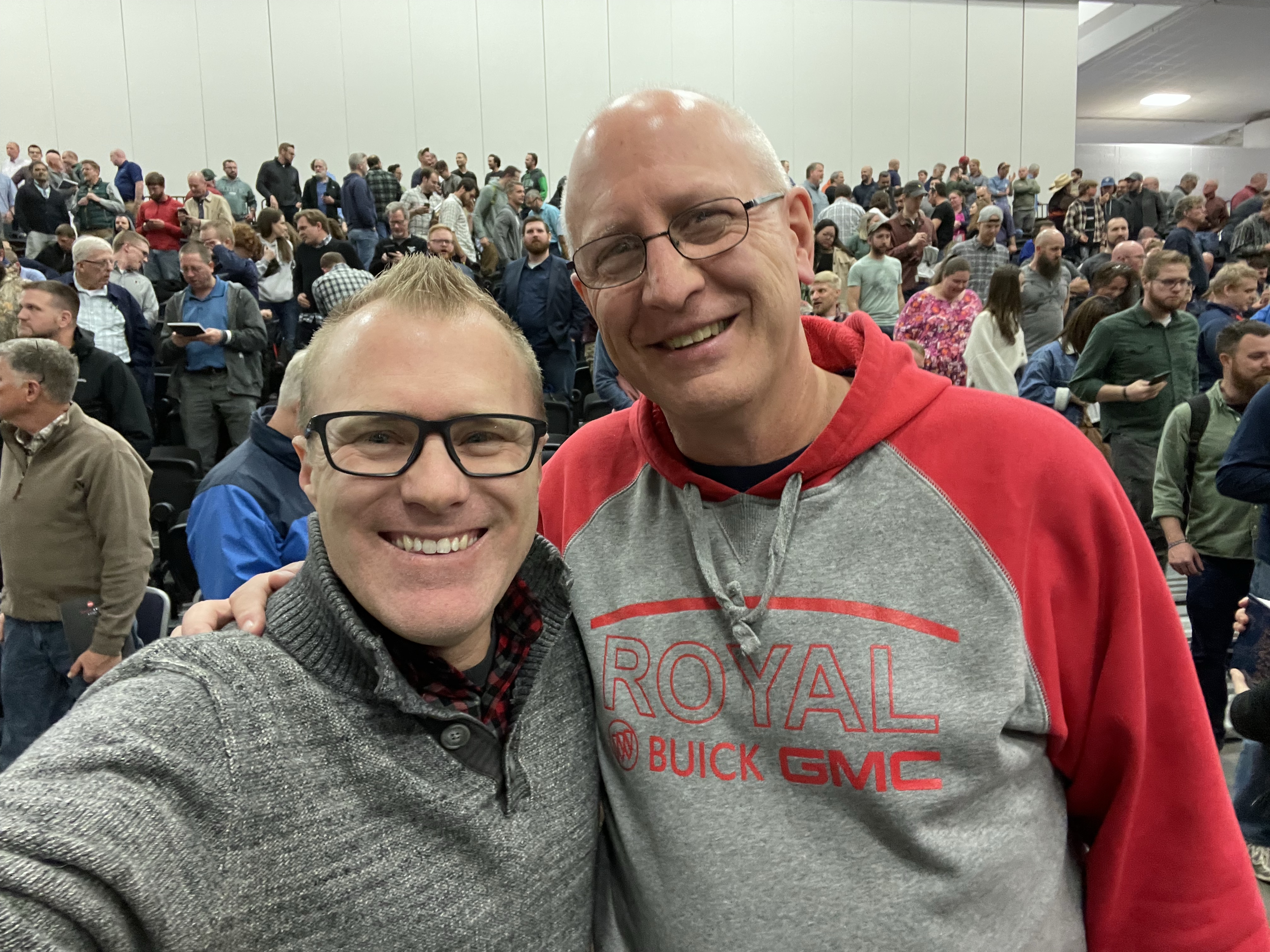
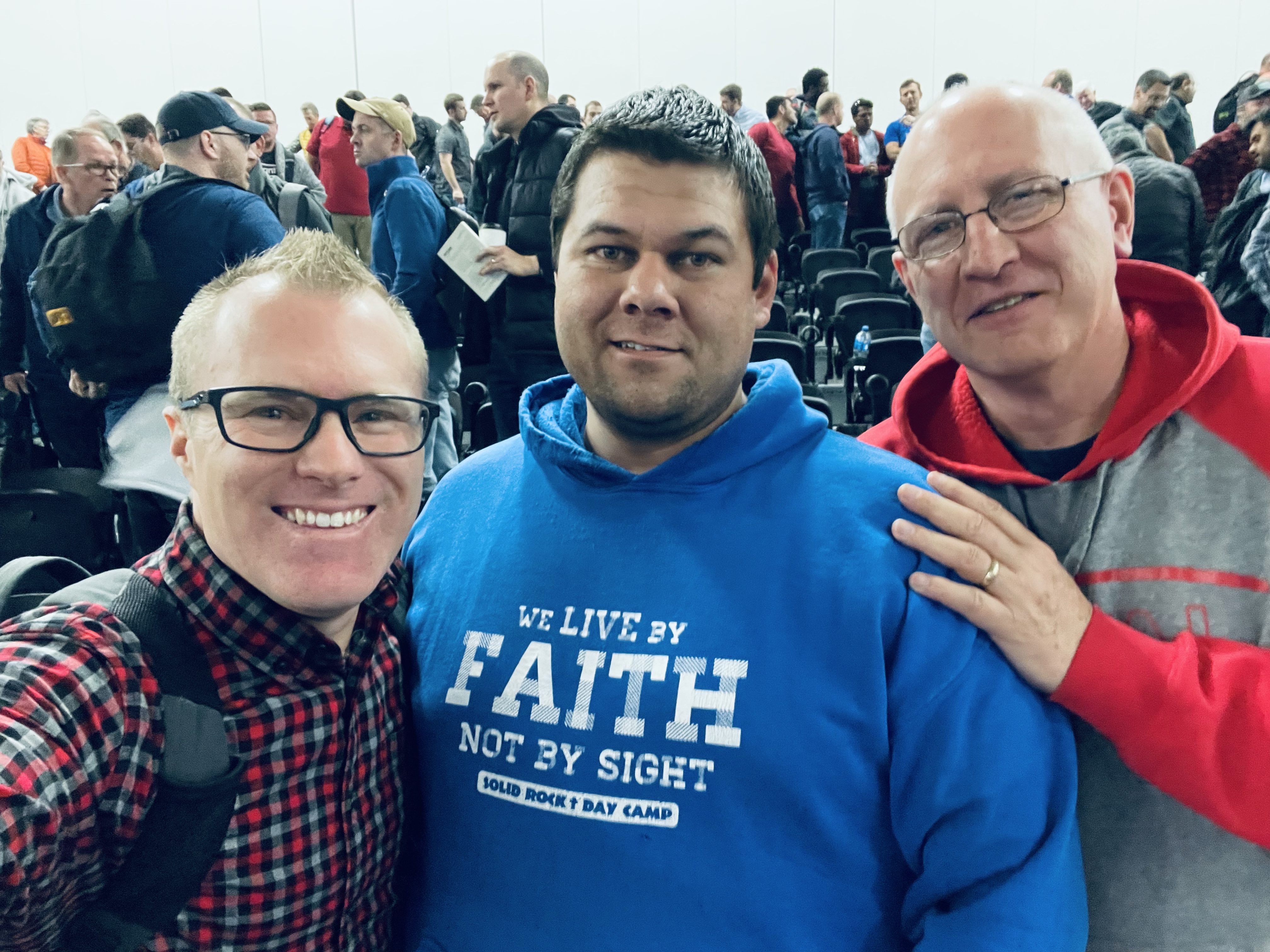
    The best part has always been the fellowship with faithful brothers. T4G days are filled with reunions with men through whom God has blessed me. It also affords a chance to get to know other brothers who will be a blessing in the future. Is that Andy Brown? These conversations are a spiritual balm to my soul, and I cannot overestimate their value.

    2. The Need to Preach Justification

    Kevin DeYoung gave an insightful talk on the continued need to preach justification by faith. Quoting Thomas McClain, he pointed out how despite the fact that our culture has rejected the concept of sin, people still struggle with “the strange persistence of guilt.” On the social media battlefield there is no adequate means of forgiveness; we only find that in the cross.

    3. The Need for Simple Preaching

    Alistair Begg’s sermon on 2 Corinthians 2:1-5 was a needed encouragement to preach the gospel with “studied simplicity.” His tone and shepherd’s heart are a model of faithful care for God’s church. People don’t need bells and whistles; we need Jesus.

    4. The Need to Preach Sanctification

    John Piper exhorted us from 1 Peter chapters 1-2 to make clear the effective connection between the sin-bearing work of Christ and the sin-killing work of the Christian. In short, justification must lead to sanctification. He encouraged us not to fear imperatives in the Bible, and to call our churches to see that he have died to sin to that we might live in righteousness by God’s grace and enabling.

    These are just a few highlights for me, and I could mention so many more. Looking back on my experience at this and other T4G conferences I am confident that by God’s grace we will continue to advance his kingdom. We can stand together for the gospel with or without a conference.

  • On Jesus Standing at the Door & Knocking

    See! I stand at the door and knock. If anyone hears my voice and opens the door, I will come in to him and eat with him, and he with me.

    -Revelation 3:20

    These memorable words of Jesus are often quoted in an evangelistic context. As Christians share the gospel with someone we might refer to Revelation 3:20 and say something like: “You see, Jesus is knocking at the door of your soul. Will you let him in?” I applaud the motivation and sentiment behind such efforts, but the fact is Revelation 3:20 isn’t the verse for that moment. Why not?

    In Revelation 3:14-22 Jesus is speaking to people who identified themselves as believers and were part of the church community at Laodicea. The problem was many of them were not distinguishable from unbelievers in Laodicea who worshiped Roman gods and goddesses. They were lukewarm, and therefore would be vomited out of Jesus’s mouth upon his return (Revelation 3:15-17). 

    Thus, Jesus is warning two groups in Laodicea. First, he was warning believers who were tempted to compromise their faith by worshipping the false gods of their age all the while thinking they had no spiritual need (Revelation 3:17). Second, he was warning unbelievers masquerading as believers. In many instances these two groups are indistinguishable to you and me.

    If Jesus wasn’t inviting unbelievers to become Christians, then what does his statement mean in Revelation 3:20? He is explicitly calling believers to repent of being lukewarm (read: not living as distinct from the world). He says this point blank in Revelation 3:19, “As many as I love, I rebuke and discipline. So be zealous and repent.” As Tom Schreiner summarizes:

    In context, the invitation and call is not an evangelistic summons but a word for believers in Laodicea, calling them to repentance.

    Jesus’s call is somewhat evangelistic in an end-around kind of way, assuming that some in the church community at Laodicea were not believers. But he is speaking to people who had professed faith in him

    Jesus standing at the door and knocking is a tender picture of his care for the church by calling her to repent of blending in with a godless culture. To hear him and respond is to repent of idolatry and pursue Christ by opening yourself to him. The result of such repentance is feasting with our Savior—a reference to the marriage supper of the Lamb in Revelation 19:9. Should people within earshot of this message fail to repent, they will confirm that they do not belong to Christ and will be excluded from him in his kingdom (vomited out of his mouth). Jesus simultaneously sternly warns those who fail to repent while making clear the path of restoration. David deSilva articulates this point well:

    …he shows himself easily reconciled with those willing to heed his admonitions, offering the congregation in Lacodicea, for example, both the harshest rebuke and the most tender promises of restored fellowship.

    By all means let us continue to share the gospel with our unbelieving world, but as we do so may we heed Jesus’s words in Revelation 3:20 and repent of living like unbelievers. Precious church, we need to hear this call more than ever. Jesus is knocking, will you let him in?

  • On Reading Tribal Locations

    “For the promise to Abraham or to his descendants that he would inherit the world was not through the law, but through the righteousness that comes by faith.”

    -Romans 4:13

    In the last three posts we’ve considered how to read genealogies, the law, and temple building narratives. When it comes to hard-to-read sections of the Bible perhaps none is more seemingly random than the lists of locations for the tribes of Israel. The OT equivalent of a zip code map seems irrelevant to modern living. What spiritual benefit should we glean from these lists, if any?

    A Biblical Theology of Tribal Locations

    We find tribal locations lists in two main sections of the Bible: Joshua 13-21 and Ezekiel 47-48. As we read these lists of cities and geographical boundaries we can easily lose spiritual focus. But note the conclusion to the long list of tribal allotments in Joshua 21:43,

    “So the LORD gave Israel all the land he had sworn to give their ancestors, and they took possession of it and settled there.”

    Roughly 1,000 years prior to these events God had promised Abraham he would give his descendants land in which to live. That promise came to realization in Joshua’s day when they settled the land of Canaan. Each tribe had an inheritance from the Lord. It wasn’t just a place to live, it was a place to live given to them by God.

    At time passed, however, God’s people were exiled from the land as judgment for sin. They experienced the reversal of the blessing of the land; they were removed from it. They were warned about this in the law, but they did not heed the warning (e.g., Leviticus 18:28). The generation in exile told their children stories of their tribal inheritance, and wondered if their descendants would ever see that land again.

    While Israel was in exile the prophet Ezekiel was given visions to help them understand why they were there and where they were headed. His prophesy culminates in a grand vision of Israel restored to the land, each tribe living in their allotted real estate. The locations are changed, but the point is clear: by God’s power and grace he will once again fulfill his promise to Abraham.

    Israel’s return to the land in the 6th century BC was confirmation that God’s promises still stand. But that return fell short of the glory described by Ezekiel. There was more blessing to come as the Messiah, that promised descendant of Abraham, would bless all the families of the earth. But how?

    The apostle Paul tells us in Galatians 3:16 that the promises (plural) made to Abraham culminate in Jesus—the promise of the land included. Perhaps that’s why in Romans 4:13 Paul says Abraham and his descendants will inherit the world. Abraham’s true descendants are those who put their faith in Jesus, and by that faith we will literally inherit the land as God promised to Abraham. In this sense, the tribal locations in Scripture are a foreshadowing of our greater inheritance of the earth in Christ.

    Tips for Reading Tribal Location Descriptions

    Read Informed by God’s Promise to Abraham

    Before you read a tribal location list take a minute to review God’s promises to Abraham in Genesis 12:1-3. The promise of God helps us see why these details were so important to the first readers: they were evidence of God’s faithfulness.

    Read the Complete List

    I suggest reading these lists in one sitting, rather than breaking them up. While they encompass several chapters, their importance is in the cumulative effect. The locations themselves aren’t as important as the underlying reason the tribe has an allotment at all.

    Focus on God’s Provision in Christ

    Many days we struggle to feel at home. Because of sin often our home are not places of rest and provision. That experience won’t last forever. As you read these lists, don’t miss out on the ways they anticipate God’s provision for us in our eternal home. We will have a safe place to rest forever because of Christ. His death pays for our sin, and his power will provide us a home forever.  

    What About Israel Today?

    People often remark that the existence of the nation of Israel today is a miracle, and I would agree. The historical circumstances that resulted in Israel occupying the land of her ancestors are evidence of God’s grace to physical descendants of Abraham. Even as we acknowledge that provision of God, we must also note that Israel’s existence today is not the ultimate fulfillment of the promises God made to Abraham. There is more to come, and it centers on Israel’s only eternal hope: the seed of Abraham, Jesus Christ.

  • When Political Storms Blow

    The LORD reigns! Let the peoples tremble. He is enthroned between the cherubim. Let the earth quake.

    -Psalm 99:1

    Political drama is not new to the planet. My friend John Newton dealt with his fair share of it, and I have often found encourage in times of political turmoil from a letter he wrote to a fellow pastor in England in 1769.

    This letter was written during the John Wilkes drama which ultimately centered on how the people should be represented in the British House of Commons. In 1768, not even a year prior to this letter, six or seven pro-Wilkes protestors were killed in a demonstration at St. George’s Fields in south London.

    These events created a fever pitch of political discussion and arguing. Had social media been a thing in the late 1700s it would have been on fire. Pastors were corresponding regularly about current events and how to lead the church in light of them. No doubt they faced pressure to take sides and push political agendas. In this context I find Newton’s response here to be wise and timely:

    But, whatever storms may arise, there is an infallible and almighty Pilot, who will be a Sun and a Shield to those who love him. I endeavour to answer all fears respecting political matters with the sure declarations of the word of God. Such as Psalm 99:1, and 29:10, 11. Isaiah, 8:12–14, and 51:12, 13. John, 3:35, etc.

    Jesus is King of kings, and Lord of lords; King of the church, and King in the nations; who doth his pleasure in the armies of heaven, and among the inhabitants of the earth. Therefore by faith in him, we may adopt the triumphant language of Psalms 2, 27, 46, and 118, for the Lord is good, a strong hold in the day of trouble, and knoweth how to deliver them that trust in him.

    -John Newton, March, 1769